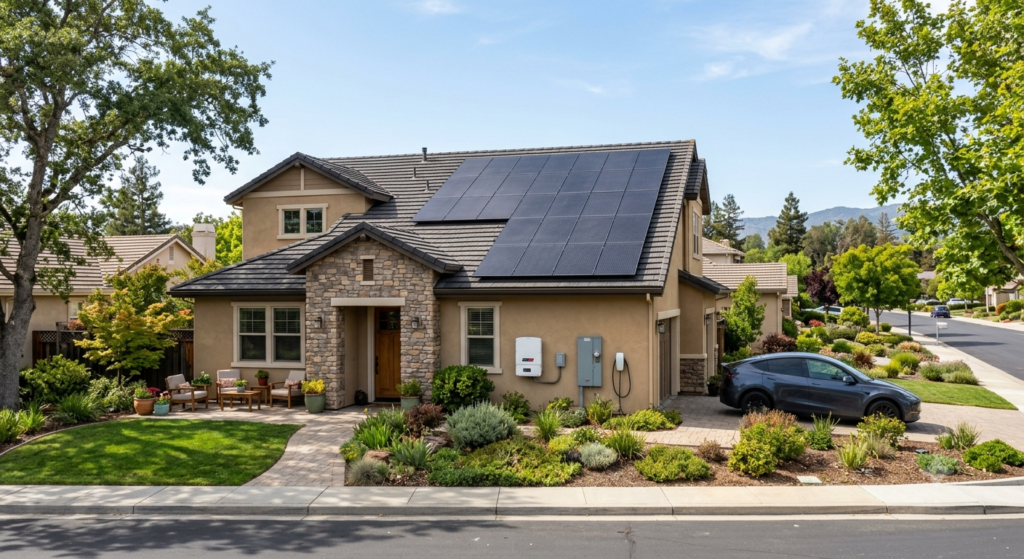

As electricity prices continue to rise and environmental awareness grows, more homeowners are turning to solar energy as a practical long-term investment. A home solar panel system allows you to generate clean electricity from sunlight, helping reduce monthly utility bills while decreasing your reliance on traditional power sources. Whether you want to lower energy costs, increase your property’s value, or reduce your carbon footprint, solar technology offers an efficient and sustainable solution.
Modern solar systems are more affordable and efficient than ever before. Advances in photovoltaic technology, improved battery storage, and government incentive programs have made residential solar energy accessible to a wider range of homeowners. From small rooftop installations to complete home energy systems, there are options available for different budgets and energy needs.
Quick Facts About Home Solar Panel Systems
| Feature | Details |
| Primary Purpose | Generate electricity from sunlight |
| Energy Source | Renewable solar energy |
| Average Lifespan | 25–30 years |
| Typical Payback Period | 6–12 years |
| Maintenance | Low with periodic cleaning |
| Installation Location | Rooftops or ground-mounted systems |
| Battery Storage | Optional but beneficial |
| Main Components | Panels, inverter, mounting system, wiring |
| Environmental Impact | Reduces carbon emissions |
| Best For | Homes with good sunlight exposure |
What Is a Home Solar Panel?
It is a renewable energy solution designed to produce electricity for residential use. It consists of multiple photovoltaic cells that absorb sunlight and convert it into electrical energy. The electricity generated can power lights, appliances, heating and cooling systems, and other household devices.
Unlike traditional electricity generated from fossil fuels, solar power is clean, renewable, and environmentally friendly. Once installed, a solar panel system requires relatively little maintenance while providing dependable energy for decades.
Many homeowners choose solar energy because it offers long-term financial benefits. Although installation involves an upfront investment, the reduction in monthly electricity bills often helps recover the initial cost over time. In many regions, homeowners may also qualify for tax credits, rebates, or other incentives that make solar installation more affordable.
How Home Solar Panel Works
Understanding how solar technology functions makes it easier to appreciate its value.
Sunlight Collection: Solar panels are installed in locations that receive maximum sunlight, usually on rooftops. The photovoltaic cells absorb sunlight throughout the day.
Electricity Generation: When sunlight strikes the photovoltaic cells, electrons become energized and create direct current (DC) electricity.
Power Conversion: Because most household appliances use alternating current (AC), the electricity passes through a solar inverter, which converts DC power into usable AC electricity.
Powering Your Home
The converted electricity flows into your home’s electrical system, supplying power to lights, appliances, electronics, and other equipment.
Sending Excess Energy
If the system generates more electricity than your household consumes, the surplus may be exported to the local power grid through net metering where available or stored in a solar battery for later use.
Types of Home Solar Panels
Selecting the right panel type depends on your budget, available roof space, and energy goals.
Monocrystalline Solar Panels
These panels are made from a single crystal of silicon, making them highly efficient and long-lasting. They produce more electricity in limited space and are an excellent choice for homes with smaller roofs.
Polycrystalline Solar Panels
Polycrystalline panels are manufactured using multiple silicon fragments. They are generally more affordable than monocrystalline panels while still providing reliable performance for residential applications.
Thin-Film Solar Panels
Thin-film panels are lightweight and flexible, making them suitable for certain specialized installations. Although they are less efficient than crystalline panels, they can be useful where weight or installation flexibility is a priority.
Which Type Is Best?
For most homeowners, monocrystalline panels offer the best balance of efficiency, durability, and long-term value. Polycrystalline panels remain a cost-effective option for budget-conscious buyers, while thin-film panels are ideal for specific applications where conventional panels may not be practical.
Benefits of a Home Solar Panel
Installing it offers more than just lower electricity bills. It provides long-term financial savings, environmental benefits, and greater energy independence. As solar technology continues to improve, homeowners can enjoy reliable performance with minimal maintenance.
Lower Electricity Bills
One of the biggest reasons homeowners invest in solar energy is to reduce monthly utility costs. A well-designed home solar panel system generates electricity during daylight hours, reducing the amount of power you need to purchase from the grid. Depending on your location and energy usage, the savings can be substantial over the system’s lifespan.
Environmentally Friendly Energy
Solar power is a clean and renewable energy source. Unlike fossil fuels, it produces electricity without releasing greenhouse gases or air pollutants. By switching to solar energy, homeowners contribute to a cleaner environment and help reduce carbon emissions.
Increased Property Value
Many buyers consider homes with solar installations more attractive because they offer lower operating costs. A professionally installed home solar panel system can increase your property’s market value and make it more appealing to environmentally conscious buyers.
Energy Independence
Generating electricity on-site reduces dependence on utility companies and protects homeowners from rising electricity prices. Adding battery storage can provide backup power during outages, ensuring greater energy security.
Low Maintenance Requirements
Solar panels have no moving parts, making them highly reliable. Occasional cleaning and periodic inspections are usually enough to keep the system operating efficiently for many years.
Home Solar Panel Costs
The cost of installing a solar panel system varies depending on several factors, including system size, equipment quality, installation complexity, and local labor rates.
Average Installation Cost
Residential solar systems can range from a few thousand dollars for smaller installations to significantly more for larger systems with battery storage. Although the upfront investment may seem high, long-term electricity savings often offset the initial expense.
Factors That Affect Cost
Several elements influence the final price:
- Size of the solar system
- Type and efficiency of solar panels
- Roof design and condition
- Installation labor
- Inverter quality
- Battery storage option
- Local permits and inspection fees
Long-Term Savings
A quality home solar panel system can produce electricity for 25 years or more. Over time, reduced energy bills and available incentives may result in a positive return on investment, making solar an economical choice for many homeowners.
Types of Solar Systems
Choosing the right solar system depends on your home’s location, electricity needs, and budget.
Grid-Tied Solar System
This is the most common residential option. The system remains connected to the local electricity grid, allowing homeowners to use solar energy during the day while drawing power from the grid when needed. Excess electricity may be sent back to the grid where net metering programs are available.
Off-Grid Solar System
Off-grid systems operate independently without a utility connection. They rely on battery storage to provide electricity during the night or cloudy days. These systems are ideal for remote locations where grid access is unavailable.
Hybrid Solar System
Hybrid systems combine the advantages of grid connectivity with battery storage. They allow homeowners to store excess solar energy while maintaining access to grid electricity when necessary. This option offers greater flexibility and backup power during outages.
Home Solar Panel Installation Process
Professional installation ensures the system performs safely and efficiently.
Energy Assessment
A professional installer reviews your household’s electricity usage to recommend the right solar system size based on your energy needs.
Roof Inspection
The roof is checked for structural strength, available installation space, and sunlight exposure to ensure it is suitable for solar panels.
System Design
A customized solar system is designed to maximize energy production while complying with local building codes and safety standards.
Permits and Approvals
The installer secures all necessary permits and utility approvals before beginning the installation process.
Panel Installation
Mounting equipment is attached securely to the roof, and the solar panels are installed, wired, and prepared for final testing.
Professional Comparison Table
| Feature | Monocrystalline | Polycrystalline | Thin-Film |
| Efficiency | High | Moderate | Lower |
| Lifespan | 25–30 Years | 25+ Years | 15–20 Years |
| Cost | Higher | Moderate | Lower |
| Appearance | Black | Blue | Flexible/Thin |
| Space Required | Less Roof Space | Moderate | Larger Area Needed |
| Heat Performance | Excellent | Good | Moderate |
| Durability | Excellent | Very Good | Good |
| Best For | Maximum Efficiency | Budget-Friendly Homes | Specialized Installations |
Choosing the Best Home Solar Panel
Selecting the right solar panel requires careful evaluation rather than simply choosing the lowest price.
Consider Panel Efficiency
Higher-efficiency panels generate more electricity using less roof space. This is especially beneficial for homes with limited installation areas.
Review Warranty Coverage
Choose products backed by strong performance and product warranties. Reputable manufacturers typically offer warranties of 25 years or more.
Check Manufacturer Reputation
Look for brands with proven reliability, positive customer reviews, and certified products. Quality equipment generally provides better long-term performance.
Evaluate Your Energy Needs
Analyze your household’s electricity consumption before selecting a system size. An oversized or undersized system may reduce overall efficiency and savings.
Hire a Qualified Installer
Professional installation plays a major role in system performance. Experienced installers ensure proper design, safe electrical connections, and compliance with local regulations.
Read more: How to Design Home Renovation Homenumental Step by Step
Home Solar Panel Maintenance Tips
Keeping your home solar system in good condition is essential for maintaining high energy production and extending its lifespan. Fortunately, solar panels require very little maintenance compared to many other home improvements.
Clean the Panels Regularly
Dust, pollen, bird droppings, and leaves can reduce the amount of sunlight reaching the panels. Cleaning them a few times a year with water and a soft brush is usually enough. Avoid using abrasive materials or harsh chemicals that could damage the panel surface.
Monitor Energy Production
Most modern solar systems include monitoring software that tracks electricity generation. Regularly checking your system’s performance can help you identify unexpected drops in output, allowing you to address potential issues quickly.
Schedule Professional Inspections
Although solar panels are durable, it’s a good idea to have the entire system inspected every few years. A qualified technician can check the inverter, wiring, mounting hardware, and electrical connections to ensure everything is operating safely and efficiently.
Common Home Solar Panel Mistakes to Avoid
Many homeowners can maximize the value of their investment by avoiding these common mistakes:
- Choosing a system based only on the lowest price instead of quality and efficiency.
- Ignoring roof condition before installation.
- Selecting the wrong system size for household energy needs.
- Overlooking warranty coverage and manufacturer reputation.
- Hiring inexperienced or uncertified installers.
- Failing to monitor system performance after installation.
- Skipping routine maintenance and inspections.
Are Home Solar Panels Worth It?
For many households, the answer is yes. A well-designed home solar system can significantly reduce electricity costs while providing clean, renewable energy. Although the initial installation requires an investment, the long lifespan of solar panels often results in substantial long-term savings.
Solar energy also protects homeowners from rising utility prices by generating electricity directly from sunlight. In many regions, government incentives, rebates, or tax credits further improve the financial return on investment.
Future Trends in Home Solar Panel Technology
Solar technology continues to evolve, making systems more efficient and affordable.
Some emerging trends include:
- Higher-efficiency photovoltaic cells that generate more electricity from the same amount of sunlight.
- Advanced battery storage systems with greater capacity and longer life.
- AI-powered energy management tools that optimize household electricity usage.
- Smart monitoring apps for real-time performance tracking.
- Building-integrated solar materials that blend seamlessly into roofs and building designs.
Final Verdict
Installing a home solar panel system is one of the most effective ways to reduce electricity expenses, improve energy independence, and support a cleaner environment. By understanding the different panel types, system options, installation process, and maintenance requirements, homeowners can make informed decisions that deliver long-term value.
While the upfront cost may seem significant, the combination of lower energy bills, potential incentives, and a lifespan of more than two decades makes solar energy a practical investment for many households. Choosing quality equipment and working with experienced installers will help ensure your system performs efficiently for years to come.
FAQs About Home Solar Panel
Q1: What is a home solar panel?
Ans: A solar panel is a photovoltaic device that converts sunlight into electricity for residential use, helping reduce electricity bills and reliance on the power grid.
Q2: How long do solar panels last?
Ans: Most high-quality solar panels have a lifespan of 25 to 30 years, although many continue producing electricity beyond that with slightly reduced efficiency.
Q3: Do home solar work on cloudy days?
Ans: Yes. Solar panels still generate electricity in cloudy weather, but their output is lower compared to bright, sunny conditions.
Q4: Do I need a battery with my solar system?
Ans: No. Grid-connected systems can operate without batteries. However, battery storage provides backup power during outages and allows you to use stored solar energy at night.
Q5: How much maintenance does it require?
Ans: Solar panels require minimal maintenance, including occasional cleaning, performance monitoring, and periodic professional inspections.
Q6: Can home solar increase property value?
Ans: In many markets, homes with professionally installed solar systems are more attractive to buyers because they offer lower long-term energy costs.
Q7: Is installing a solar panel worth the investment?
Ans: For many homeowners, yes. Long-term electricity savings, potential incentives, increased property value, and environmental benefits often make solar a worthwhile investment.