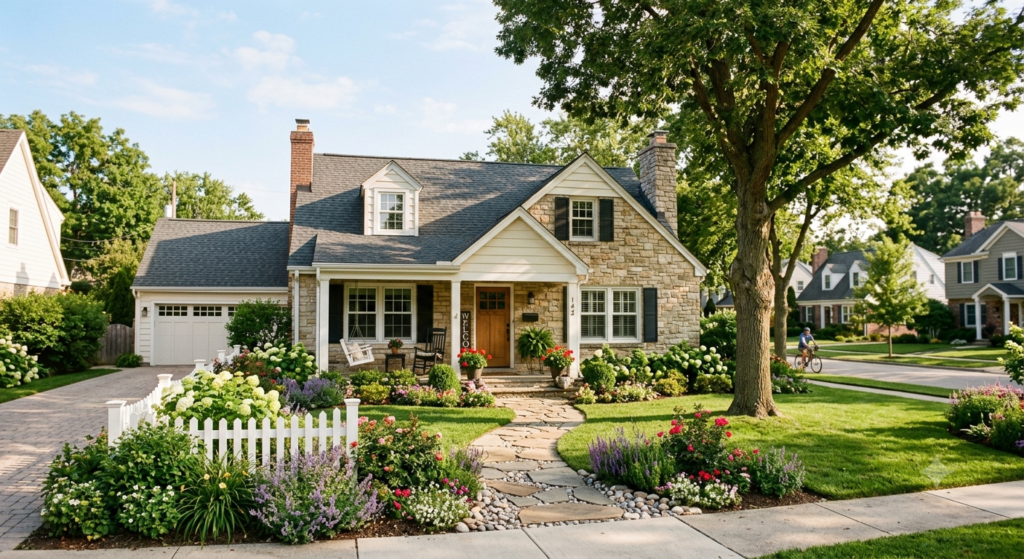

Home renovation is one of the best ways to improve your property’s comfort, functionality, and long-term value. Whether you’re updating a single room or transforming your entire house, a successful renovation requires much more than choosing attractive paint colors or stylish furniture. It starts with careful planning, realistic budgeting, and making informed decisions throughout the project.
How to Design Home Renovation Homenumental, this comprehensive guide will help you understand every stage of the renovation process. From setting clear goals to designing an efficient layout and selecting quality materials, you’ll learn practical strategies that make your renovation smoother and more successful.
Many homeowners begin a remodeling project with excitement but soon encounter unexpected challenges such as hidden structural problems, rising material costs, delayed timelines, or design changes. These issues often occur because the renovation wasn’t planned properly from the beginning.
What Is Home Renovation Design?
Home renovation design is the process of planning, improving, and updating an existing home to make it more functional, comfortable, visually appealing, and energy efficient. It involves evaluating your home’s current condition, identifying areas that need improvement, creating a budget, selecting materials, and managing every stage of construction.
Understanding How to Design Home Renovation Homenumental means balancing appearance with practicality. A successful renovation should not only enhance your home’s beauty but also improve how you use the space every day.
Why Planning Matters Before Renovating
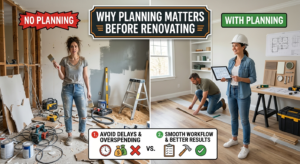
One of the biggest mistakes homeowners make is starting construction before creating a detailed renovation plan. Careful planning helps you stay organized, reduce unexpected costs, and make better decisions throughout the project. A well-planned renovation offers several benefits:
- Keep your project on schedule.
- Prevents unnecessary design changes.
- Reduces unexpected expenses.
- Improves communication with contractors.
- Creates a consistent interior design.
- Increases your property’s resale value.
- Helps prioritize important upgrades.
Professional builders often spend weeks planning before beginning demolition because preparation is the foundation of every successful renovation.
Define Your Renovation Goals
Every successful renovation begins with a clear purpose. Before contacting contractors or purchasing materials, decide exactly what you want to achieve. Ask yourself these important questions:
- Which rooms need renovation?
- What problems am I trying to solve?
- Am I renovating for comfort, resale value, or both?
- Which improvements are essential?
- What is my maximum budget?
Your answers will guide every decision throughout the project. Common renovation goals include:
- Modernizing outdated interiors
- Creating open living spaces
- Improving storage solutions
- Increasing natural light
- Enhancing energy efficiency
- Updating kitchens and bathrooms
- Building a functional home office
- Improving accessibility for family members
When planning How to Design Home Renovation Homenumental, having clearly defined goals prevents costly changes later and keeps your renovation focused on your priorities.
Create a Realistic Renovation Budget
Budget planning is one of the most important stages of any renovation. Without a detailed financial plan, even small projects can become expensive. Your renovation budget should include:
- Construction materials
- Flooring
- Kitchen cabinets
- Bathroom fixtures
- Paint and finishing materials
- Lighting fixtures
- Furniture
- Labor costs
- Building permits
- Waste disposal
- Professional design services
Experts recommend setting aside an additional 10–20% contingency fund for unexpected expenses. Older homes often reveal hidden plumbing problems, outdated electrical systems, or structural repairs after demolition begins.
For example, during one kitchen renovation, replacing old cabinets uncovered damaged water pipes inside the wall. Because the homeowner had planned a contingency budget, the plumbing repairs were completed without delaying the project or exceeding the overall budget.
Gather Design Inspiration
Before selecting materials or creating a layout, spend time exploring different design ideas. Excellent sources of inspiration include:
- Home improvement magazines
- Interior design websites
- Model homes
- Architecture blogs
- Social media inspiration boards
- Local material showrooms
Rather than copying one design exactly, combine ideas that suit your home’s architecture, your lifestyle, and your budget. Popular interior design styles include:
- Modern: Characterized by clean lines, open spaces, neutral colors, and minimal decoration.
- Scandinavian: Focuses on simplicity, natural wood finishes, bright interiors, and practical furniture.
- Industrial: Uses exposed brick, steel accents, concrete surfaces, and reclaimed wood for a contemporary urban look.
- Traditional: Features elegant details, warm colors, decorative moldings, and timeless furniture. Choosing one consistent style helps every room feel connected and professionally designed.
Assess Your Home’s Existing Condition
Before making structural changes, carefully inspect every major part of your property. Pay close attention to:
- Foundation
- Roof
- Plumbing
- Electrical wiring
- Heating and cooling systems
- Windows
- Doors
- Insulation
- Flooring
- Load-bearing walls
Hiring a professional inspector before construction begins can reveal hidden problems that may affect your renovation budget and timeline.
Design a Functional Floor Plan
An attractive home should also be practical. A well-designed floor plan improves how you move through your home, increases comfort, and makes daily activities more efficient. Before selecting furniture or decorative items, focus on creating a layout that fits your family’s lifestyle. When learning How to Design Home Renovation Homenumental, consider these important factors:
- Natural light throughout the home
- Easy traffic flow between rooms
- Adequate storage space
- Furniture placement
- Room proportions
- Accessibility for all family members
- Future lifestyle needs
For example, many homeowners choose to remove a non-load-bearing wall between the kitchen and dining area to create an open-concept living space. This design improves natural light, encourages family interaction, and makes smaller homes feel larger.
Another smart idea is to install built-in storage under staircases, window seats, or unused wall spaces. These solutions maximize storage without sacrificing valuable floor space.
Choose Durable and High-Quality Materials
The materials you select directly affect the appearance, durability, and maintenance costs of your renovation. While inexpensive materials may reduce your upfront expenses, they often wear out faster and require replacement sooner. For a long-lasting renovation, consider:
- Hardwood or luxury vinyl plank flooring
- Quartz or granite countertops
- Moisture-resistant paint for kitchens and bathrooms
- Solid wood or high-quality engineered cabinets
- Energy-efficient windows and insulated exterior doors
- LED lighting fixtures
Before purchasing materials, compare warranties, customer reviews, and maintenance requirements. Spending slightly more on quality products today can reduce repair costs for many years. How to Design Home Renovation Homenumental also means selecting materials that match both your budget and your long-term goals.
Select a Cohesive Color Palette
Consistent color scheme helps every room feel connected while creating a welcoming atmosphere. Instead of choosing completely different colors for each room, select a neutral base and introduce accent colors through furniture, artwork, rugs, and decorative accessories. Popular timeless color combinations include:
- White and gray
- Beige and cream
- Soft earth tones
- Warm wood finishes with neutral walls
- Light blue with white accents
Avoid following short-lived design trends. Neutral colors provide flexibility, allowing you to refresh your home’s appearance later without major renovations.
Hire Experienced Renovation Professionals
Even if you’re comfortable completing small DIY projects, larger renovations often require skilled professionals to ensure quality workmanship and compliance with building codes. Depending on your renovation, you may need:
- Interior designer
- Architect
- General contractor
- Electrician
- Plumber
- Carpenter
- Painter
Before hiring a contractor:
- Request at least three written quotations.
- Verify licenses and insurance.
- Review previous renovation projects.
- Read online customer reviews.
- Ask for references from past clients.
- Sign a detailed written contract before work begins.
Choosing experienced professionals reduces delays, prevents costly mistakes, and helps ensure your renovation meets safety standards.
Sample Renovation Timeline
| Project Stage | Estimated Duration | Primary Goal |
| Planning & Budgeting | 1–2 Weeks | Define goals and budget |
| Design & Material Selection | 2–3 Weeks | Finalize layouts and finishes |
| Hiring Professionals | 1–2 Weeks | Select contractors |
| Construction | 4–12 Weeks | Complete renovation work |
| Final Inspection | 1 Week | Quality checks and finishing |
Improve Energy Efficiency
Well-designed renovation should not only enhance your home’s appearance but also improve its energy performance. Energy-efficient upgrades reduce monthly utility bills, increase indoor comfort, and add long-term value to your property. When planning How to Design Home Renovation Homenumental, consider incorporating these upgrades:
- Install LED lighting throughout the home.
- Upgrade to energy-efficient windows and doors.
- Improve wall, ceiling, and attic insulation.
- Replace old appliances with energy-efficient models.
- Install a programmable or smart thermostat.
- Use low-flow faucets and water-saving showerheads.
Although some energy-efficient improvements require a higher initial investment, they often pay for themselves through lower electricity and water bills over time.
Expert Home Renovation Checklist
Before construction begins, make sure you’ve completed the following tasks:
| Task | Notes |
| Define renovation goals | Clearly outline your renovation objectives. |
| Create a realistic budget | Estimate costs and set spending limits. |
| Reserve a contingency fund | Save extra funds for unexpected expenses. |
| Measure every room accurately | Verify all dimensions before planning. |
| Finalize the floor plan | Confirm the layout before construction begins. |
| Select materials and finishes | Choose products that fit your style and budget. |
| Compare contractor quotes | Review pricing and services from contractors. |
| Obtain required permits | Secure all necessary approvals before work. |
| Schedule inspections | Arrange inspections at the required stages. |
| Complete a final walkthrough | Check that everything is ready before starting. |
Final Thoughts
How to Design Home Renovation Homenumental is about creating a home that is beautiful, functional, and built to meet your family’s needs for years to come. Every successful renovation begins with clear goals, careful planning, and a realistic budget. By following the step-by-step process outlined in this guide, you can avoid common mistakes, stay organized, and make confident decisions throughout your renovation journey.
Remember that quality materials, thoughtful layouts, experienced professionals, and energy-efficient upgrades all contribute to a successful outcome. Instead of rushing into construction, take time to plan every detail and prioritize improvements that provide long-term value.
Whether you’re renovating a kitchen, updating a bathroom, or transforming your entire home, following the principles of How to Design Home Renovation Homenumental will help you create a space that is comfortable, stylish, and practical. With patience, preparation, and smart planning, your renovation can become a rewarding investment that enhances both your daily life and your property’s future value.
FAQs About How to Design Home Renovation Homenumental
Q1: What is the first step in designing a home renovation?
Ans: Start by defining your renovation goals, identifying the areas that need improvement, and creating a realistic budget before beginning any construction.
Q2: How much should I budget for a home renovation?
Ans: Every project is different, but experts recommend adding a 10–20% contingency fund to your total budget to cover unexpected expenses.
Q3: Can I renovate my home without hiring an interior designer?
Ans: Yes. Small renovation projects can often be completed without professional design assistance. However, larger renovations or structural changes usually benefit from the expertise of an interior designer or architect.
Q4: Which renovations add the most value to a home?
Ans: Kitchen remodeling, bathroom renovations, flooring upgrades, fresh interior paint, energy-efficient improvements, and enhanced curb appeal generally provide the highest return on investment.
Q5: How long does a complete home renovation take?
Ans: Small renovations may take several weeks, while full-home renovations typically require two to six months, depending on the project’s size and complexity.
Q6: What materials last the longest?
Ans: Quartz countertops, hardwood flooring, luxury vinyl plank flooring, ceramic tiles, solid wood cabinetry, and energy-efficient windows are durable choices that require minimal maintenance.
Q7: Why is planning important before renovating?
Ans: Careful planning helps control costs, prevents delays, improves communication with contractors, and ensures the finished renovation meets your expectations.
Q8: How can I make my renovation more sustainable?
Ans: Choose energy-efficient appliances, install LED lighting, improve insulation, use water-saving fixtures, and select eco-friendly building materials whenever possible.