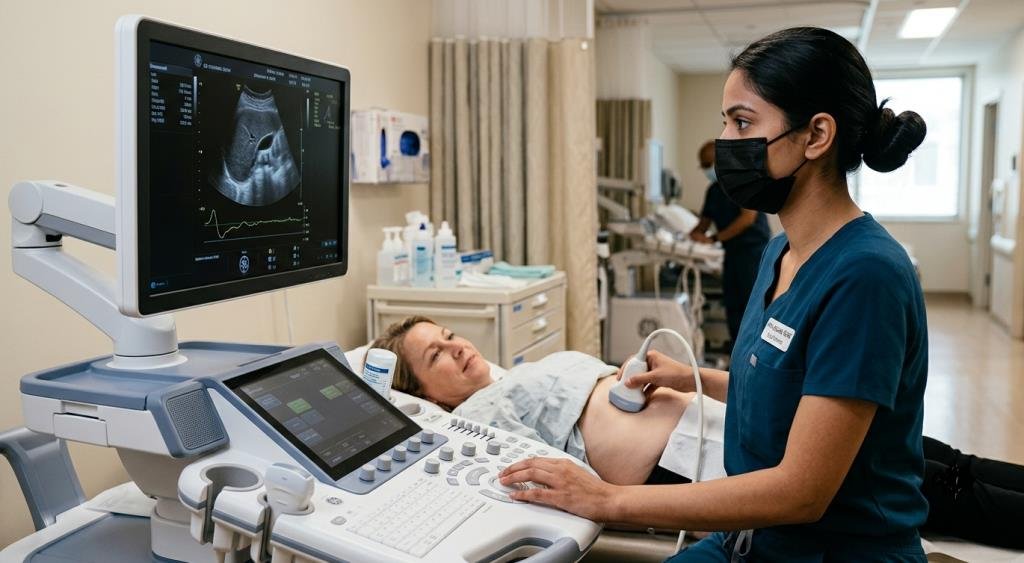

Choosing a career in healthcare can be both rewarding and challenging, especially when there are so many specialized roles to explore. One profession that continues to grow in demand is the Ultrasound Tech. These healthcare professionals play a vital role in diagnosing medical conditions by using advanced imaging technology to produce detailed images of organs, tissues, blood vessels, and developing babies. Their work helps physicians make accurate diagnoses while providing patients with a safe, non-invasive imaging experience.
As medical technology continues to evolve, the need for skilled ultrasound professionals is expected to remain strong. Hospitals, outpatient clinics, diagnostic imaging centers, and physician offices all rely on experienced sonographers to support patient care. Whether you’re a high school graduate exploring career options or a healthcare professional considering a career change, understanding what this profession involves is an important first step.
What Is an Ultrasound Tech?
Ultrasound Tech, also known as a diagnostic medical sonographer or ultrasound technician, is a healthcare professional trained to operate ultrasound equipment that creates real-time images of structures inside the human body. These images help doctors diagnose, monitor, and treat a wide range of medical conditions without exposing patients to radiation.
Ultrasound imaging uses high-frequency sound waves to generate detailed pictures of internal organs, muscles, blood vessels, and soft tissues. It is commonly used during pregnancy to monitor fetal development, but it is also essential for diagnosing heart disease, abdominal disorders, vascular conditions, and musculoskeletal injuries.
Read Also: Game Evebiohaztech PC: Complete Guide to Gameplay, Features & Performance
Why Is an Ultrasound Tech Important?
Healthcare providers rely on ultrasound examinations every day to detect medical issues early and monitor ongoing treatment. An Ultrasound Tech ensures that these examinations produce clear, accurate images while keeping patients comfortable throughout the procedure. Their expertise directly contributes to:
- Early disease detection
- Pregnancy monitoring
- Cardiovascular assessments
- Organ health evaluations
- Emergency diagnostics
- Treatment planning
Without skilled sonographers, physicians would have fewer diagnostic tools available for making informed medical decisions.
Where Do Ultrasound Techs Work?
One of the biggest advantages of becoming an Ultrasound Tech is the variety of work environments available. Professionals in this field can choose settings that match their lifestyle and career goals. Common workplaces include:
- Hospitals
- Diagnostic imaging centers
- Outpatient clinics
- Physician offices
- Women’s health centers
- Emergency departments
- Mobile imaging services
- Specialized cardiovascular clinics
Some experienced sonographers also work as educators, researchers, or equipment application specialists for medical imaging manufacturers.
10 Key Responsibilities of an Ultrasound Tech
The daily responsibilities of an ultrasound professional extend far beyond operating imaging equipment. They combine technical expertise with patient care, communication, and attention to detail.
Prepare Patients for Imaging Procedures
Before beginning an examination, the Ultrasound Tech explains the procedure, answers patient questions, reviews medical history, and positions the patient correctly for accurate imaging. Clear communication helps reduce patient anxiety and improves the overall examination experience.
Operate Ultrasound Equipment
Using specialized imaging technology requires extensive technical knowledge. Sonographers adjust machine settings based on the type of examination and the patient’s condition to obtain the highest-quality diagnostic images. Modern ultrasound systems include advanced imaging features that require ongoing training and practical experience.
Capture Accurate Diagnostic Images
One of the most important responsibilities is producing clear images that physicians can interpret with confidence. This involves:
- Selecting appropriate scanning angles
- Identifying anatomical structures
- Recording measurements
- Capturing multiple image views
- Ensuring image quality
Accurate imaging plays a significant role in supporting effective medical diagnoses.
Monitor Patient Comfort and Safety
Throughout each examination, patient safety remains a top priority. Sonographers observe patients for signs of discomfort while ensuring proper infection control procedures and equipment hygiene. Compassion and professionalism help build trust during what can sometimes be stressful medical appointments.
Analyze Image Quality
Although physicians make the final diagnosis, ultrasound professionals carefully evaluate image quality before completing the examination. If necessary, they repeat scans to ensure no important anatomical details are missed.
Maintain Patient Records
Accurate documentation is essential in healthcare. Ultrasound professionals record examination details, measurements, observations, and technical information within electronic medical records. Proper documentation supports continuity of care and helps physicians compare future imaging studies.
Collaborate with Healthcare Teams
Ultrasound Tech works closely with radiologists, obstetricians, cardiologists, vascular specialists, emergency physicians, and nurses.Strong communication ensures imaging results are available promptly for diagnosis and treatment planning.
Maintain Imaging Equipment
Routine maintenance helps ensure ultrasound machines continue producing accurate diagnostic images. Daily responsibilities include:
- Cleaning equipment
- Performing quality checks
- Reporting technical issues
- Following manufacturer guidelines
- Maintaining transducers safely
Reliable equipment contributes to better patient outcomes.
Follow Healthcare Regulations
Healthcare professionals must comply with strict safety standards and ethical guidelines. These include:
- Patient privacy regulations
- Infection prevention protocols
- Equipment safety procedures
- Documentation standards
- Professional ethical practices
Following established regulations protects both patients and healthcare providers.
Continue Professional Development
Medical imaging technology evolves rapidly. Successful sonographers regularly participate in continuing education programs, professional conferences, certification renewals, and advanced specialty training to stay current with industry developments.
Education Requirements for an Ultrasound Tech
Preparing for a successful career as an Ultrasound Tech begins with obtaining the right education and clinical training. Employers generally prefer candidates who have completed an accredited sonography program and gained hands-on clinical experience. The educational pathway varies depending on previous education and long-term career goals.
Associate Degree
An Associate Degree in Diagnostic Medical Sonography is the most common route into the profession. Most programs take approximately two years to complete and include coursework in:
- Human anatomy
- Physiology
- Medical terminology
- Patient care
- Ultrasound physics
- Imaging procedures
- Healthcare ethics
- Clinical practice
Students also complete supervised clinical rotations in hospitals or imaging centers to develop practical scanning skills.
Bachelor’s Degree
Some students choose a four-year bachelor’s degree, particularly if they are interested in leadership roles, education, research, or specialized imaging fields. Bachelor’s programs often include:
- Advanced imaging techniques
- Healthcare management
- Research methods
- Specialized sonography
- Medical ethics
- Advanced clinical practice
Although not always required for entry-level employment, a bachelor’s degree can expand long-term career opportunities.
Certificate Programs
Certificate programs are designed for individuals who already have experience in another allied healthcare profession, such as radiologic technology or nursing. These accelerated programs usually last between 12 and 18 months and focus primarily on ultrasound theory, scanning techniques, and clinical education.
Clinical Training
Classroom instruction alone is not enough to become a skilled sonographer. Clinical experience is one of the most valuable components of any accredited program. During clinical rotations, students learn how to:
- Perform real patient examinations
- Operate ultrasound equipment safely
- Work alongside experienced sonographers
- Communicate with patients professionally
- Apply classroom knowledge in healthcare settings
Hands-on training builds both technical confidence and clinical judgment.
Professional Certifications
While certification requirements vary by employer and location, many healthcare organizations prefer certified professionals because certification demonstrates knowledge, competence, and commitment to high standards of patient care. Professional certification may also improve employment opportunities, salary potential, and career advancement.
Choosing the Right Program
Before enrolling in any educational program, prospective students should evaluate several important factors.
| Factor | Why It Matters |
| Accreditation | Ensures the program meets recognized educational standards and may be required for certification eligibility. |
| Clinical Training | Provides hands-on experience with real patients and imaging equipment. |
| Graduation Rate | Indicates the program’s ability to support student success. |
| Certification Exam Pass Rate | Reflects how well graduates are prepared for professional certification. |
| Job Placement Support | Helps graduates transition into employment after completing the program. |
Essential Skills Every Ultrasound Tech Needs
Ultrasound Tech combines technical expertise with strong interpersonal skills. While operating sophisticated imaging equipment is an important part of the job, delivering compassionate patient care and communicating effectively are equally essential.
Technical Skills
Understanding ultrasound physics, anatomy, physiology, and imaging techniques is the foundation of this profession. Sonographers must know how to adjust machine settings, capture diagnostic-quality images, and troubleshoot equipment when necessary.
Communication Skills
Patients often feel anxious before an ultrasound exam. Explaining the procedure clearly, answering questions professionally, and providing reassurance help create a positive patient experience.
Attention to Detail
Even a small imaging error can affect a physician’s diagnosis. Successful sonographers carefully position patients, capture multiple image views, and verify image quality before completing an examination.
Critical Thinking
Every patient is different. An Ultrasound Tech must adapt scanning techniques based on a patient’s condition while recognizing abnormal findings that may require additional imaging.
Physical Stamina
The role involves standing for long periods, assisting patients with movement, and performing repetitive scanning motions. Good physical fitness and proper ergonomics help reduce the risk of workplace injuries.
Professionalism and Ethics
Healthcare professionals handle confidential medical information daily. Maintaining patient privacy, following ethical standards, and complying with healthcare regulations are essential responsibilities.
Ultrasound Tech Salary and Career Outlook
One of the reasons many people pursue a career as an Ultrasound Tech is the combination of competitive pay and strong job stability. Salary varies depending on several factors, including experience, education, certifications, geographic location, employer, and area of specialization.
Professionals working in large hospitals or highly specialized imaging centers often earn more than those employed in smaller clinics. Additional certifications and years of experience can also increase earning potential. The job outlook for diagnostic medical sonographers remains positive due to several trends, including:
- An aging population requiring more diagnostic imaging
- Increased use of non-invasive imaging procedures
- Advancements in ultrasound technology
- Growing demand for preventive healthcare
- Expansion of outpatient diagnostic centers
Types of Ultrasound Tech Specializations
One advantage of becoming an Ultrasound Tech is the opportunity to specialize in different areas of medical imaging.
- Obstetric and Gynecologic Sonography: This specialty focuses on pregnancy, fetal development, and women’s reproductive health. It is one of the most recognized areas of sonography.
- Abdominal Sonography: Professionals examine organs such as the liver, kidneys, pancreas, gallbladder, and spleen to help diagnose various medical conditions.
- Cardiac Sonography (Echocardiography): Cardiac sonographers evaluate heart structure and function using ultrasound imaging. They often work alongside cardiologists to diagnose heart disease.
- Vascular Sonography: This specialty examines blood vessels and circulation to identify conditions such as blood clots, blocked arteries, and vascular disease.
- Musculoskeletal Sonography: Musculoskeletal sonographers evaluate muscles, tendons, ligaments, and joints to assist in diagnosing sports injuries and orthopedic conditions.
- Pediatric Sonography: These professionals perform imaging procedures for infants and children, requiring specialized knowledge and excellent patient communication skills.
Certification and Professional Development
Although certification requirements vary by employer and region, many healthcare organizations prefer hiring certified professionals. Certification demonstrates that an Ultrasound Tech has met recognized standards of education, clinical training, and professional competence. Common benefits of certification include:
- Better employment opportunities
- Increased professional credibility
- Higher earning potential
- Greater career advancement opportunities
- Access to specialized roles
Continuing education is equally important. Medical imaging technology continues to evolve, and sonographers are encouraged to maintain their knowledge through workshops, conferences, online courses, and certification renewal programs.
Ultrasound Tech vs. Radiologic Technologist
Many prospective healthcare professionals compare these two careers before choosing a path.
| Feature | Ultrasound Tech | Radiologic Technologist |
| Imaging Method | Sound waves | X-rays |
| Radiation Exposure | No | Yes |
| Primary Focus | Soft tissues, organs, pregnancy | Bones, lungs, injuries |
| Equipment Used | Ultrasound machine | X-ray equipment |
| Common Workplaces | Hospitals, clinics, imaging centers | Hospitals, emergency departments, clinics |
| Specializations | Cardiac, vascular, obstetric, pediatric | CT, MRI, mammography, fluoroscopy |
Conclusion
Ultrasound Tech offers an excellent combination of meaningful patient care, advanced medical technology, and long-term career stability. From performing diagnostic imaging to supporting physicians with accurate clinical information, sonographers play an essential role in modern healthcare.
Whether you’re just beginning your career journey or considering a transition into the medical field, becoming an Ultrasound Tech can provide rewarding opportunities for professional growth. By completing an accredited education program, gaining hands-on clinical experience, earning professional certification, and continuing to develop your skills, you’ll be well prepared for success in this dynamic profession.
FAQs
Q1: What does an Ultrasound Tech do?
Ans: An Ultrasound Tech uses specialized imaging equipment to create diagnostic images of organs, tissues, blood vessels, and developing babies. These images help physicians diagnose and monitor various medical conditions.
Q2: How long does it take to become an Ultrasound Tech?
Ans: Most people complete an accredited associate degree in approximately two years. Bachelor’s degree programs generally require four years, while certificate programs for eligible healthcare professionals may take 12–18 months.
Q3: Is becoming an Ultrasound Tech difficult?
Ans: The education requires dedication because students learn anatomy, imaging technology, patient care, and clinical skills. However, with consistent study and hands-on training, many students successfully complete their programs.
Q4: Do Ultrasound Techs need certification?
Ans: Certification is not always legally required, but many employers prefer certified professionals because certification demonstrates competency and commitment to professional standards.
Q5: What skills are most important for an Ultrasound Tech?
Ans: Key skills include technical knowledge, communication, critical thinking, attention to detail, patient care, problem-solving, professionalism, and physical stamina.
Q6: Is Ultrasound Tech a good career?
Ans: Yes. Many professionals choose this career because it offers competitive salaries, strong job demand, opportunities for specialization, and the satisfaction of helping patients through accurate medical imaging.
Q7: Can Ultrasound Techs specialize in different fields?
Ans: Yes. Common specialties include obstetric and gynecologic sonography, cardiac sonography, vascular sonography, abdominal imaging, musculoskeletal sonography, and pediatric sonography.